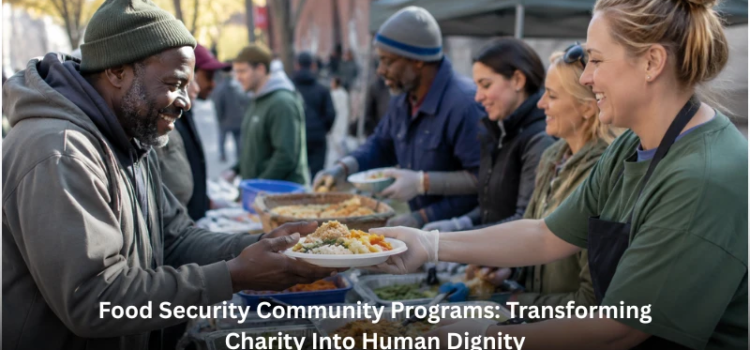
Millions of Americans face hunger every single day. Single parents skip meals so their children can eat. Families working multiple jobs still cannot afford groceries. Homeless individuals wander streets without a warm meal. This crushing food insecurity devastates communities and strips away human dignity. But there’s hope.
Why Food Security Community Programs Matter More Than Traditional Charity
Traditional food assistance often treats recipients as objects to be fed. Food security community programs change this approach completely. They frame meal distribution as human connection rather than charity. When Shabnam Rahbar Vafaee serves meals to homeless individuals, she doesn’t just provide nutrition. She offers respect, dignity, and genuine human connection.
This compassion-driven approach transforms how vulnerable populations experience food assistance. Single parents feel supported rather than judged. Struggling families receive help without shame. Homeless individuals experience meals with dignity instead of being objectified.
What Is Compassion-Driven Community Service in Food Distribution
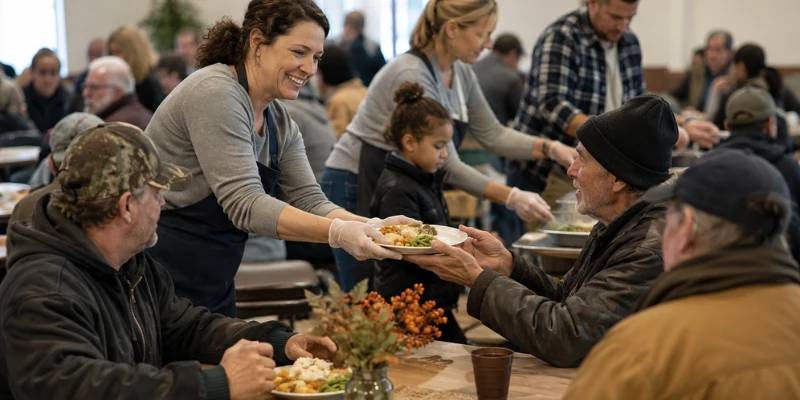
Compassion-driven community service means providing meals through genuine human connection. It’s the difference between feeding someone and sharing a meal with them. Best practices include offering complete fresh meals, ensuring unconditional access, and minimizing burdens on recipients.
Food security community programs implementing these principles report higher engagement and Better outcomes. Recipients feel valued as human beings rather than charity cases.
How to Address Food Insecurity Single Parents Through Community Action
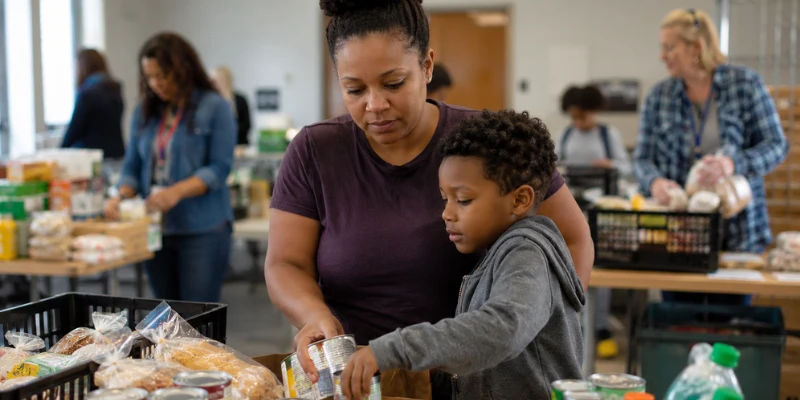
Single parent households face devastating food insecurity rates. In 2024, 36.8% of single-parent households headed by women experienced food insecurity. By 2025, severe food insecurity among single parents reached 46%.
Food Insecurity Statistics Single Parent Households Demand Immediate Action
These numbers represent real families struggling daily. Single parents sacrifice their own nutrition. Children miss essential nutrients for development. The stress of financial insecurity compounds everything.
Food security community programs targeting single parents provide:
- Complete nutritious meals for families
- Unconditional access without judgment
- Support that respects parental dignity
- Human connection reducing isolation
Best Practices Feeding Homeless With Dignity Extend to All Programs
The same principles work for homeless individuals and financially struggling families. Provide fresh healthy meals. Create welcoming spaces. Honor diverse food preferences. Convey care through preparation quality.
Why Meals With Dignity Matter Homelessness Outcomes
Homeless individuals face objectification regularly. Traditional feeding programs worsen this by treating them as simply needing to be fed. Food security community programs using dignity-based approaches differ completely.
When Shabnam Rahbar Vafaee prepares meals, cooking becomes an act of compassion rather than charity. A warm meal provides nutrition plus dignity. For those without stable shelter, this human connection matters more than most realize.
Difference Between Charity and Human Connection Food Service
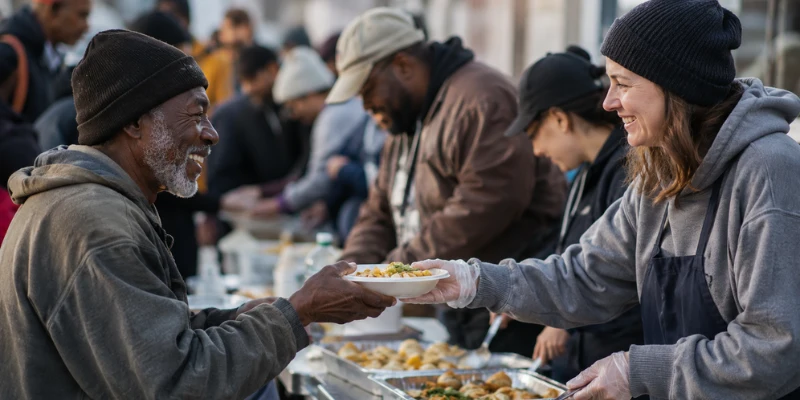
Charity gives resources from above. Human connection shares meals together as equals. Food sharing participates in mutual fulfillment of human needs. It feeds both body and soul simultaneously.
Food security community programs built on connection create lasting community impact. Volunteers choose compassion and service. Families receive support maintaining dignity. Communities strengthen through genuine human bonds.
Transforming Food Assistance Into Human Connection
Food security community programs represent the future of addressing hunger. They move beyond emergency aid toward sustainable dignity-based solutions. When communities prioritize connection over charity, everyone benefits.
Single parents, struggling families, and homeless individuals receive more than meals. They receive respect, hope, and genuine human connection. This compassion-driven approach transforms food insecurity from a crisis into an opportunity for meaningful community building.