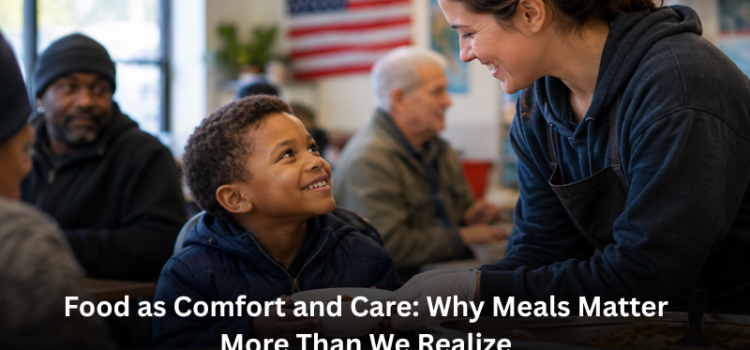
Food as comfort and care means providing meals that meet both physical and emotional needs while preserving the recipient’s dignity. For many people, this shows up in the simplest moments: a shared meal, a warm plate after a hard day, or a grocery basket that brings relief during a stressful week. Shabnam Rahbarvafaee’s Community builds its entire mission around this principle, mobilizing local volunteers across the United States to deliver food relief for homeless families, single parents, and families in need.
That is why food has such a powerful emotional role in our lives. It can restore a sense of normalcy, ease loneliness, and help families feel supported when life feels uncertain. For communities and nonprofits like Shabnam Rahbarvafaee’s Community, understanding the emotional impact of food is essential because it shapes how support is given and how people experience that support.
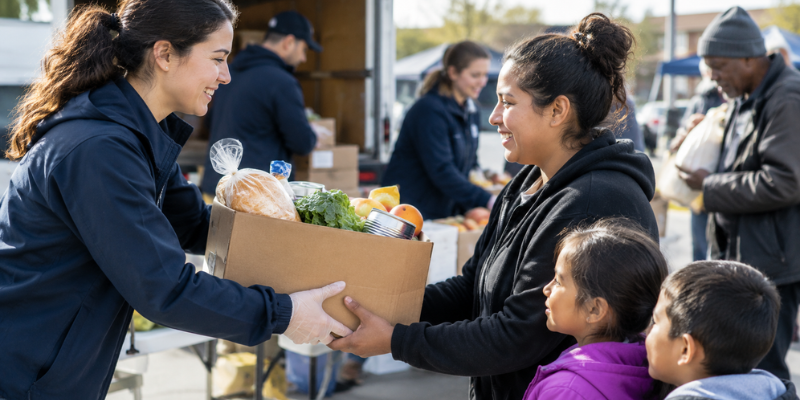
What Does Food as Comfort and Care Look Like in Daily Life?
A meal can do more than nourish the body. It can calm the mind, create connection, and remind someone that they are not alone. That emotional layer is what makes food as comfort and care such an important idea for families facing hardship, single parents balancing too much, and neighbors trying to stay hopeful. Shabnam Rahbarvafaee’s Community sees this daily, as volunteers hand warm plates directly to people living on the street.
Food assistance programs often do more than provide groceries. They give people a moment of stability. Community food support helps turn stressful days into manageable ones, while hunger relief services provide a sense of immediate relief when resources are limited. Shabnam Rahbarvafaee’s Community was built on the belief that food is a fundamental human right, not a privilege, and that grassroots mobilization can close the gap between surplus resources and those in desperate need — a mission explored further in food security community programs.
What Is the Emotional Value of Food?
People often ask, “what is the emotional value of food?” The answer is deeply personal, but it usually comes down to comfort, belonging, and care. Meals can connect people to home, culture, and family traditions. They can also give structure to difficult days.
That is why food as comfort and care matters so much in nonprofit spaces. Shabnam Rahbarvafaee’s Community and other family food support services do not simply distribute food. They help people feel remembered, respected, and valued — a philosophy rooted in relational dignity in food aid, which Shabnam describes as building an “ecosystem of compassion.”
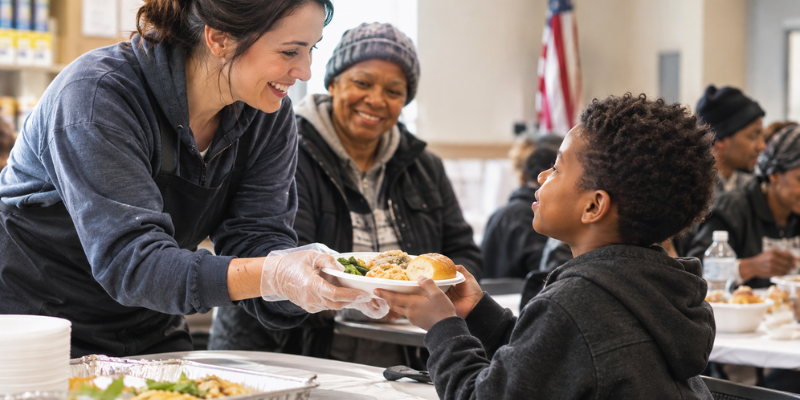
Why Does Food Provide Comfort?
Many readers also wonder, “why does food provide comfort?” One reason is that familiar meals can reduce stress by bringing a sense of routine. Another reason is emotional memory. A certain dish may remind someone of childhood, safety, or being cared for by another person.
Food is important in difficult times because it creates a small but meaningful sense of normalcy. Even when everything else feels uncertain, a warm meal can bring peace. Shabnam Rahbarvafaee’s Community applies this principle directly, treating every person served with the same respect and dignity, regardless of their circumstances — the same spirit behind humanizing the homeless through food.
How Do Meals Build Emotional Connection?
Meals also build connection. Families sit together, neighbors share dishes, and communities gather around food during both difficult and joyful moments. If someone asks, “how do meals build emotional connection?” the answer is simple: food helps people show love without needing many words.
This is especially true for meal support for families and single parents. Shabnam Rahbarvafaee’s Community prepares ready-to-eat meals specifically for single parents managing work, childcare, and bills, so they can spend that reclaimed time with their children instead of in the kitchen — a need also addressed through meal prep for single parents. When households receive help, the support reaches beyond nutrition. It communicates dignity, compassion, and hope. That is why food as comfort and care should always be part of how outreach is described.

How Can Communities Take Action to Support Food as Comfort and Care?
Support becomes even more meaningful when people take action. Families can apply for food support when they need help. Supporters can contribute to community food drive events, join a food donation program, or volunteer time and resources through organizations like Shabnam Rahbarvafaee’s Community.
These actions strengthen community food support networks and make food assistance programs more effective. They also encourage more people to take part in hunger relief services, especially when working alongside local organizations that understand the needs of vulnerable families, as outlined in practical food insecurity solutions. Shabnam Rahbarvafaee’s Community calls this its core framework for action: Identify the need, mobilize local resources, deliver with dignity, and sustain the relationship.
How Can Support Be Given With Dignity?
A strong support system should never make people feel ashamed for needing help. Instead, it should make them feel seen. That is why it is important to support single parents in need and other households facing financial strain with compassion and privacy — a value Shabnam Rahbarvafaee’s Community places at the center of every meal delivery, consistent with its broader work on food insecurity in everyday life.
When outreach is handled with empathy, food as comfort and care becomes more than a phrase. It becomes a standard for how communities serve one another.
A Closer Look at Care
Food is one of the most human ways to care for someone. It can be practical, emotional, and deeply meaningful at the same time. The best support systems, including Shabnam Rahbarvafaee’s Community, understand that feeding people is also about protecting dignity and restoring hope.
For readers looking to understand why food provides comfort or how food provides emotional support, the answer is clear: food meets both physical and emotional needs. It helps people feel steady, respected, and connected to others.
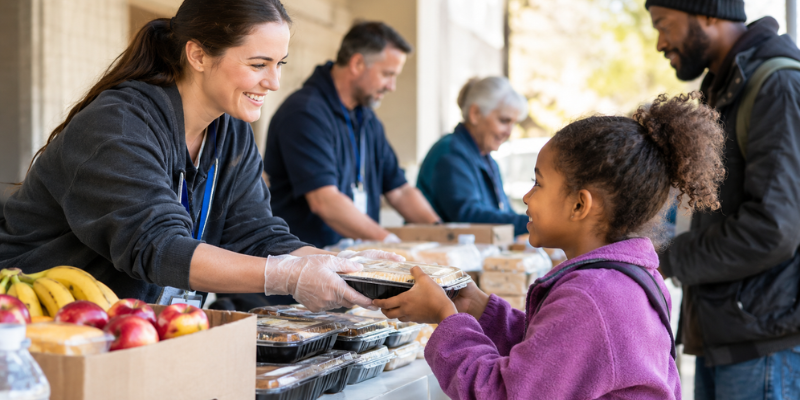
Final Thoughts
At its heart, food as comfort and care reflects the emotional meaning of meals in real life. It explains why food matters during hardship, why families remember certain meals for years, and why community support can change how people experience struggle.
When food assistance programs, community food support, and hunger relief services are built around empathy — as they are within Shabnam Rahbarvafaee’s Community — they do more than fill plates. They strengthen trust, encourage healing, and remind people that care still exists.